

In recent years, there’s been growing recognition of the unique challenges faced by neurodivergent students in educational settings. Reports and studies have highlighted a troubling trend: the overrepresentation of neurodivergent individuals within the prison population. As of Summer 2022, the UK prison population stood at 89,520, of which around half were defined as neurodivergent. However, this trend isn’t a predestined outcome—rather, it’s a signal that our current educational and support systems need to evolve. One promising solution is early intervention through tools that cater specifically to neurodivergent needs, such as the EIGER Student Standing Desks.
Understanding Neurodiversity in Schools
Neurodivergent individuals, including those with ADHD, autism, dyslexia, and other cognitive differences, often face significant barriers in traditional classroom settings. These challenges can lead to difficulties with focus, organisation, and social interaction, which may contribute to disengagement and academic struggles. If left unaddressed, these issues can escalate, increasing the likelihood of academic failure and, unfortunately, involvement in the criminal justice system.
The blog post from Scanning Pens underscores the high prevalence of neurodiversity in the prison population. This is not a result of inherent criminality among neurodivergent individuals but rather a consequence of systemic failures in the educational system. When neurodivergent students’ needs are unmet, they are more likely to face disciplinary actions, experience academic failure, and eventually fall into the cycle that can lead to time in prison.
The EIGER Solution: Promoting Inclusivity Through Standing Desks
One effective way to address these issues is by implementing early interventions that accommodate and support neurodivergent students. EIGER Student Standing Desks are a prime example of such a tool. These desks are designed to offer flexibility and adaptability, allowing students to choose between sitting and standing while working. This simple yet powerful modification can have a profound impact on learning and behaviour for neurodivergent students.
Benefits of EIGER Standing Desks for Neurodivergent Students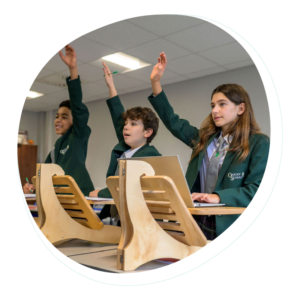
- Improved Focus and Engagement: Standing desks can help neurodivergent students who struggle with hyperactivity or restlessness. By allowing students to move and shift positions, these desks help maintain their attention and engagement in lessons.
- Enhanced Self-Regulation: The ability to choose between sitting and standing can empower students to self-regulate their learning environment. This autonomy can lead to increased motivation and a more positive attitude toward school.
- Released Dopamine: Neurodiverse children typically have lower levels of dopamine, which is one of the brains major neurotransmitters. It is vital when it comes to focus, memory, reward, and motivation, and is naturally produced when moving or fidgeting. Standing desks encourage students to not sit still, increasing the production of dopamine, and improving their educational development.
- Promoting Inclusivity: Standing desks support diverse learning styles and needs, fostering an inclusive classroom environment where all students can thrive. This inclusivity helps prevent the marginalization of neurodivergent students, reducing the risk of academic failure and behavioural issues.
Proving the Pipeline to Prison Wrong
By incorporating tools like EIGER Student Standing Desks into classrooms, schools can make a significant impact on the educational outcomes for neurodivergent students. Early intervention and accommodations help address issues before they escalate, reducing the likelihood of academic struggles that can lead to behavioural problems and disengagement.
When schools proactively support neurodivergent students with appropriate interventions, they are actively working to dismantle the so-called “pipeline to prison.” This approach not only improves the educational experience for these students but also contributes to a more equitable and just society.
Conclusion
The evidence is clear: early intervention and tailored support are crucial in preventing the negative outcomes that can arise from unmet educational needs. EIGER Student Standing Desks represent a step forward in creating an inclusive learning environment that accommodates the diverse needs of all students. By adopting such solutions, schools can better support neurodivergent students, fostering their success and helping to dismantle the pipeline to prison.
Investing in these early interventions is not just about providing better tools—it’s about making a commitment to every student’s potential. Let’s embrace this opportunity to create a more inclusive and supportive educational system where all students have the chance to succeed.


